
 Français
Skin Cancer Screening
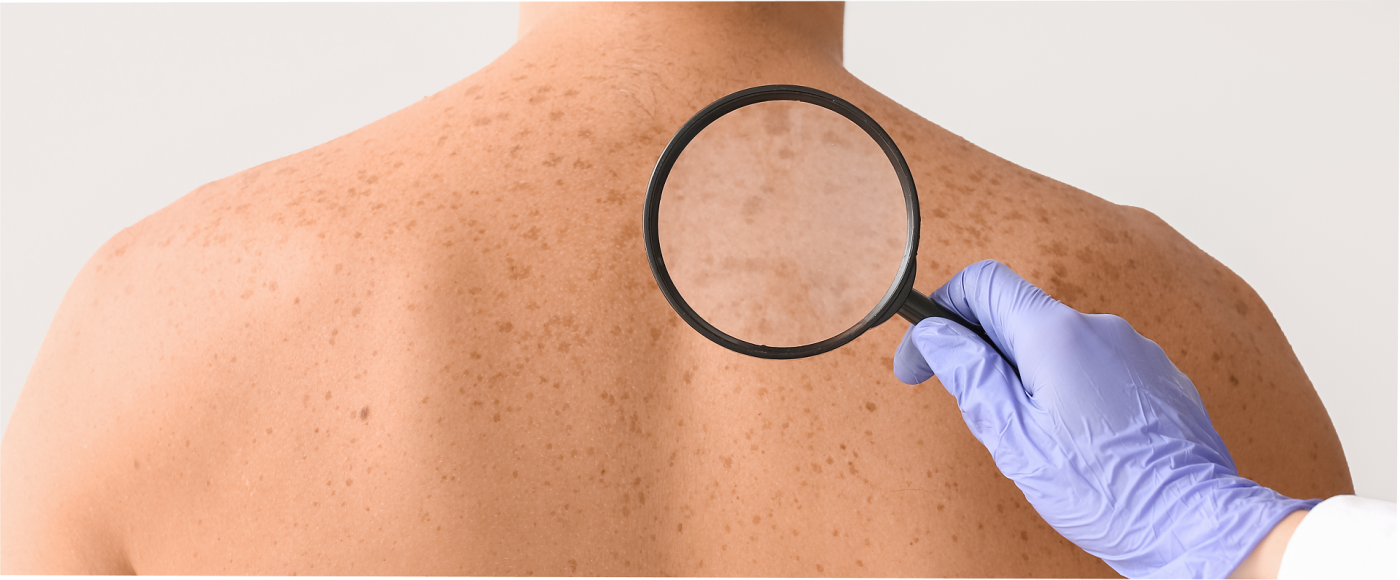


Skin cancer is caused by skin cells that begin to grow uncontrollably. There exist three main types of skin cancer:
Basal Cell Carcinoma
Basal cells are round cells found beneath the squamous cells (top layer) of our skin. Basal cell carcinoma refers to cancer developing in these cells.
Squamous Cell Carcinoma
Squamous cells form the top layer of our skin and when these cells grow uncontrollably it is referred to as squamous cell carcinoma
Melanoma
In the lower area of our skin exists cells known as melanocytes. These cells are important for giving skin its color by making pigment called melanin. When cancer develops in these cells it is known as melanoma.
The average diagnostic age for skin cancer tends to be 63 years old. Generally, women get diagnosed more below the age of 50, however this trend changes above 50 years old.
As with most cancers, there are some uncontrollable factors that could influence skin cancer development such as:
Family history of skin cancer
Older age
A lighter natural skin color (Melanoma is estimated to be 20 times more common in white individuals compared to African Americans)
The main controllable risk factor is UV exposure. The sun produces harsh UV rays that can damage our skin and cause it to become cancerous, therefore it is vital to consistently protect our skin from the sun using protection.
The screening process for skin cancer starts with a skin assessment by a dermatologist. If the dermatologist spots any sort of suspicious mole or pigmentation on the skin, they may perform a skin tissue biopsy, where slices of the given area are removed and analyzed. The biopsy is analyzed by a pathologist who can check it for any cancer cells and provide a diagnosis.
Skin cancer that is discovered early on in its development can be treated well and without any complications. Getting screened at need will allow your doctor to catch any potential problems that you may not have noticed before it becomes too late.
The recommendations for screening are based on the state of the patients’ skin. Perform consistent skin checks to look for anything out of the ordinary. If anything stands out to you, book an appointment with a dermatologist to get your skin checked more closely.
Do not hesitate to make an appointment with our clinic in Montreal; we will meet all of your expectations at. We are here to help you at 514 400 3291.